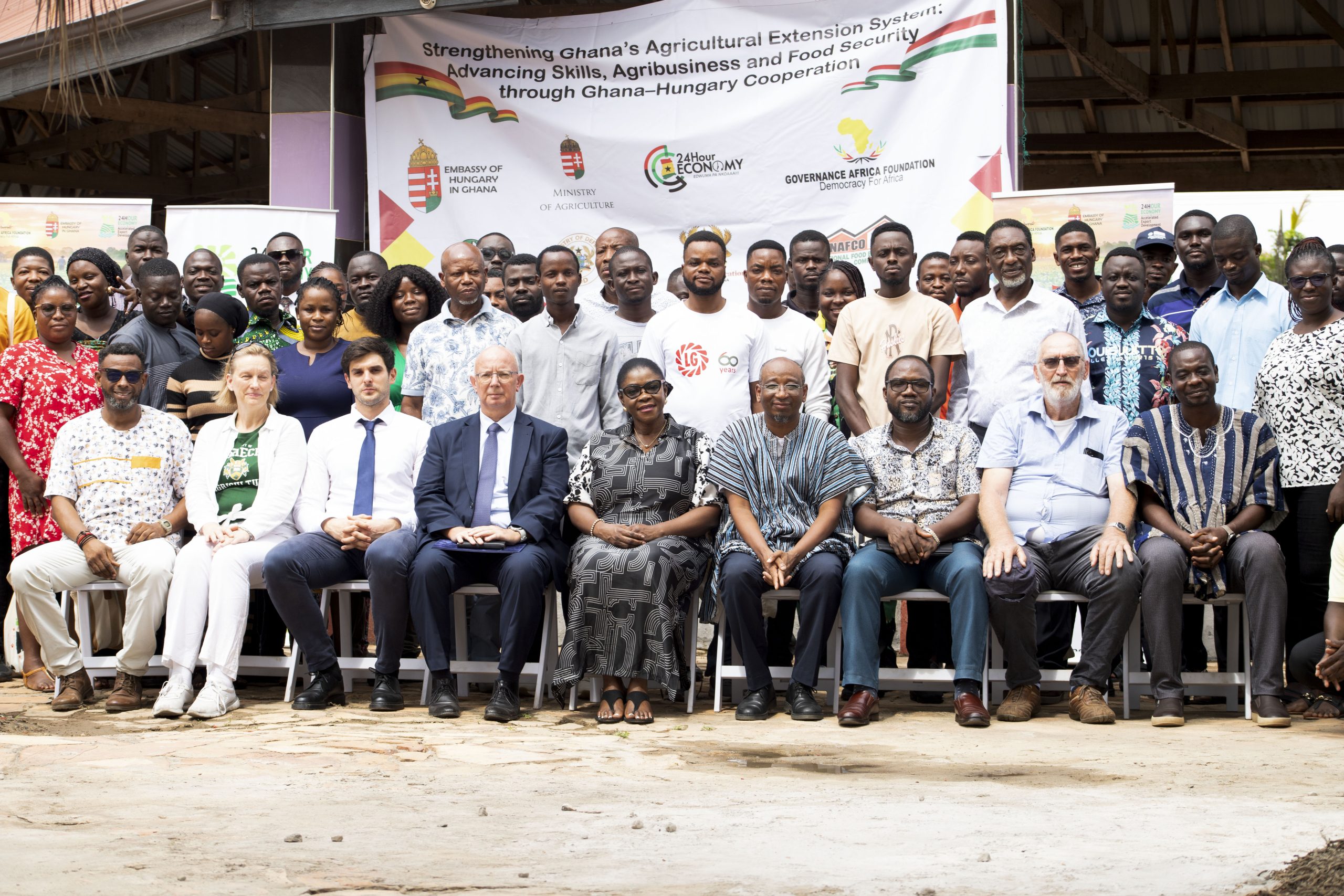
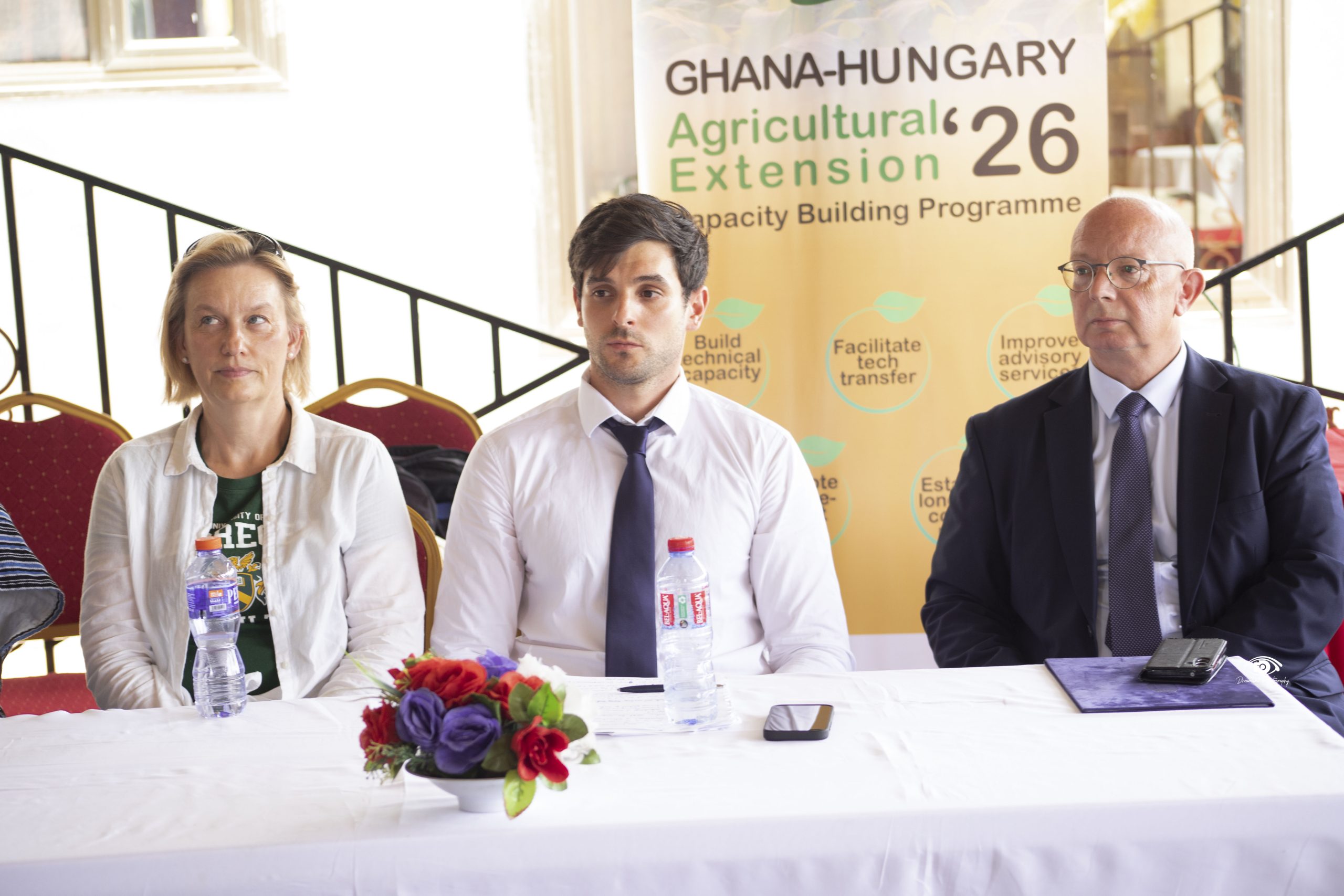
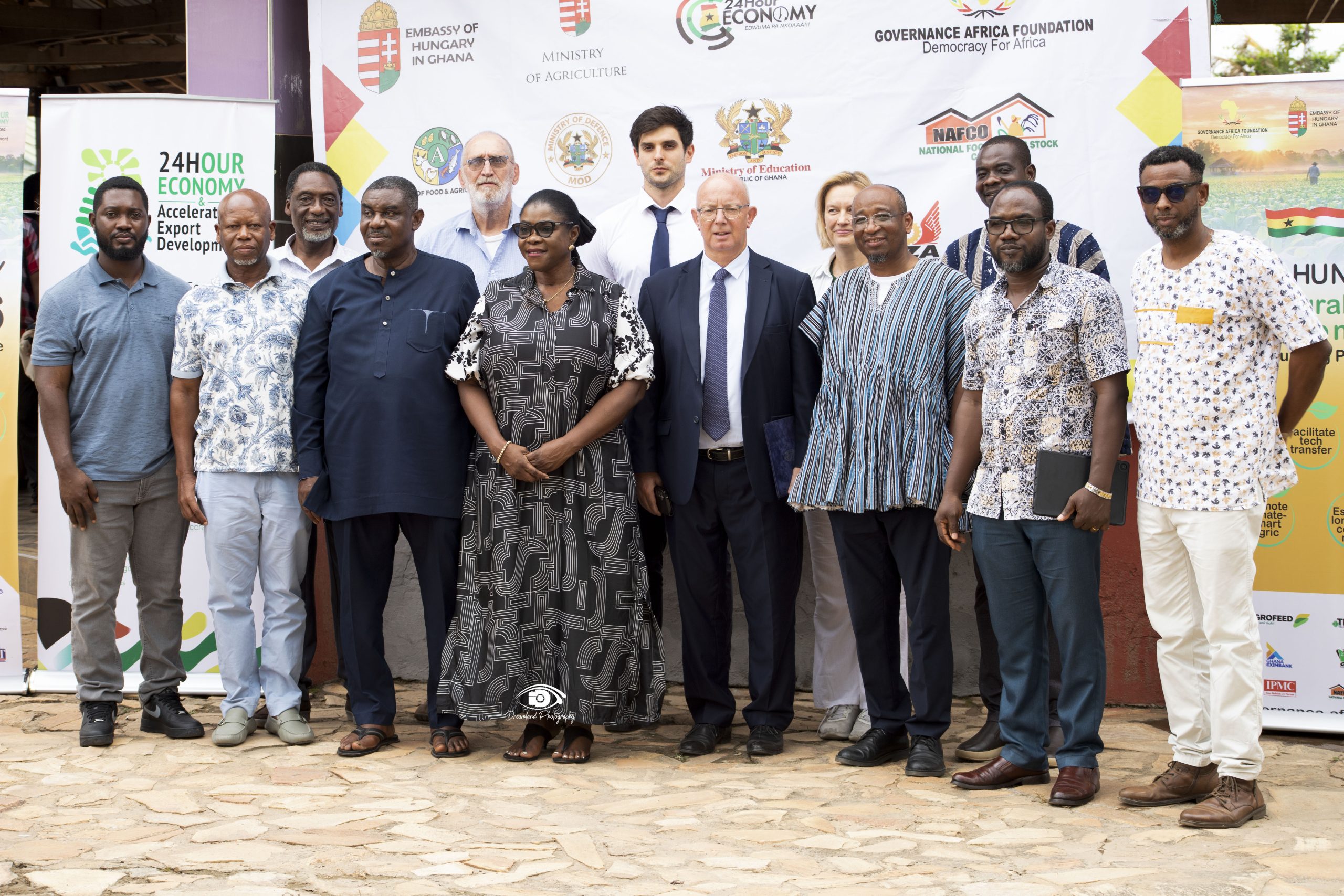
Also, in attendance was the Chairperson of the National Commission for Civic Education (NCCE), Madam Kathleen Addy, who called for a change in mindset and a stronger sense of civic responsibility among citizens as essential ingredients for national development. Addressing the agricultural extension officers, she urged them to become responsible advocates for sustainable development in their respective communities, using their positions to educate citizens and speak out against illegal mining, popularly known as galamsey, which continues to threaten farmlands, water bodies and agricultural productivity.
She emphasised that protecting the environment is a shared responsibility and encouraged the officers to use their influence at the district level to promote responsible practices and safeguard Ghana’s agricultural future. Madam Addy further underscored the importance of national unity, stressing that the country’s progress depends on citizens working together towards common goals, as a united nation stands while a divided nation falls.
The Hungarian Ambassador to Ghana, His Excellency Tamas Feher, in his message, emphasised that successful agricultural solutions must be shaped by Ghanaian knowledge, conditions and priorities, even as Hungary shares its experience and technical expertise.
The message expressed confidence that the programme could extend well beyond the first cohort and contribute to lasting capacity within Ghana’s agricultural system.
It also highlighted the importance of learning from Ghanaian experts and farmers as the cooperation develops, reinforcing the principle that sustainable agricultural transformation depends on adapting knowledge to local realities rather than simply transferring technology.
The Ambassador wished participants an engaging and productive training experience, expressing hope that the knowledge exchanged would contribute to stronger extension services, more resilient farming communities and new opportunities for Ghanaian agriculture.
The message acknowledged the contributions of the Governance Africa Foundation, the Ministry of Agriculture and Food of Hungary, the 24-Hour Economy Secretariat, and other institutions and individuals supporting the programme.
This emphasis on mutual learning gives the partnership a broader significance. By combining international experience with Ghanaian expertise, the initiative can help develop approaches that are relevant to local production systems while creating opportunities for continued technical cooperation, institutional partnerships and innovation.
For the Governance Africa Foundation and its partners, the opening ceremony marks an important milestone in advancing agricultural capacity development through international cooperation.
However, the broader ambition extends beyond a single training cohort. As Ghana pursues agricultural modernisation, food security, job creation and export growth, initiatives of this nature can provide a platform for deeper cooperation between public institutions, international partners and the private sector.
The Ghana–Hungary initiative illustrates how cooperation can bring together complementary expertise in pursuit of national development priorities. With the right institutional backing and sustained participation from businesses and development partners, the benefits could extend beyond the current cohort to support a broader network of skilled agricultural professionals and more resilient farming communities.